
Subtopics are specific areas within a broader topic that help you organize your ideas for a research paper. By identifying and developing these subtopics, you can clarify your focus and create a more structured argument.
What are subtopics and why are they important?
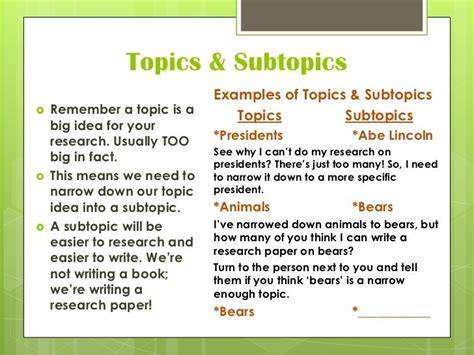
Subtopics are divisions of a main topic that allow you to explore specific aspects in detail. They help organize your content, making it easier for readers to follow your argument or narrative. For example, if your main topic is "Climate Change," subtopics could include "Causes of Climate Change," "Effects on Biodiversity," and "Mitigation Strategies." These divisions create a clear roadmap for both the writer and the reader, enhancing understanding and engagement.
How to identify subtopics in your main topic
To break down a main topic into subtopics, follow these practical steps:
- Start with your main topic.
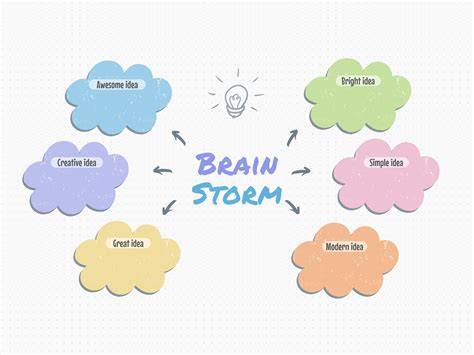
- Brainstorm related questions. Think about what aspects of the main topic interest you.
- List specific themes. Write down themes or categories that arise from your brainstorming.
- Group similar ideas. Organize your themes into clusters that fit under the main topic.
- Refine your subtopics. Choose the most relevant and interesting subtopics to explore in detail.
This method clarifies your focus and ensures that your research is comprehensive.
Real-life examples of subtopics in writing
Subtopics can vary widely depending on your field and the type of writing. Here are a few examples:
- Essay on World War II: The main topic could be "The Impact of World War II on Modern Society," with subtopics such as "Economic Changes," "Social Shifts," and "Political Repercussions."
- Article about Healthy Eating: The main topic might be "Nutrition Basics," with subtopics like "Macronutrients," "Micronutrients," and "Meal Planning Tips."
- Presentation on Renewable Energy: The main topic could be "Future of Energy," with subtopics like "Solar Power Innovations," "Wind Energy Development," and "Government Policies for Sustainability."
These examples illustrate how subtopics help clarify and structure complex ideas.
Pitfalls to avoid when choosing subtopics
When selecting subtopics, be mindful of these common mistakes:
- Choosing too many subtopics. This can overwhelm both you and your audience. Focus on a few key areas that you can explore thoroughly.
- Being too vague. Subtopics should be specific enough to allow for detailed exploration. Instead of saying "Technology in Education," consider a more focused subtopic like "Impact of AI on Classroom Learning."
- Neglecting relevance. Ensure that your subtopics are closely related to your main topic. If they diverge too much, they may confuse your audience.
By avoiding these pitfalls, you can create a clearer and more engaging structure for your research.
Conclusion
After identifying your subtopics, you can begin researching and developing each one to support your main argument. This structured approach will make your writing more focused and your ideas more coherent. Take your time to ensure that each subtopic is relevant and well-defined.
Frequently Asked Questions
What is the difference between a topic and a subtopic?
A topic is the general subject of discussion, while a subtopic is a specific area or aspect of that topic.
Can I have multiple subtopics under one main topic?
Yes, having multiple subtopics is common and can help break down complex ideas into manageable sections.
How detailed should my subtopics be?
Subtopics should be specific enough to allow for in-depth exploration but not so detailed that they become overwhelming.
What if I can't find subtopics for my main topic?
If you're struggling, try brainstorming questions related to your main topic or discussing it with peers to generate ideas.